
Paper vs. Cotton vs. Plastic
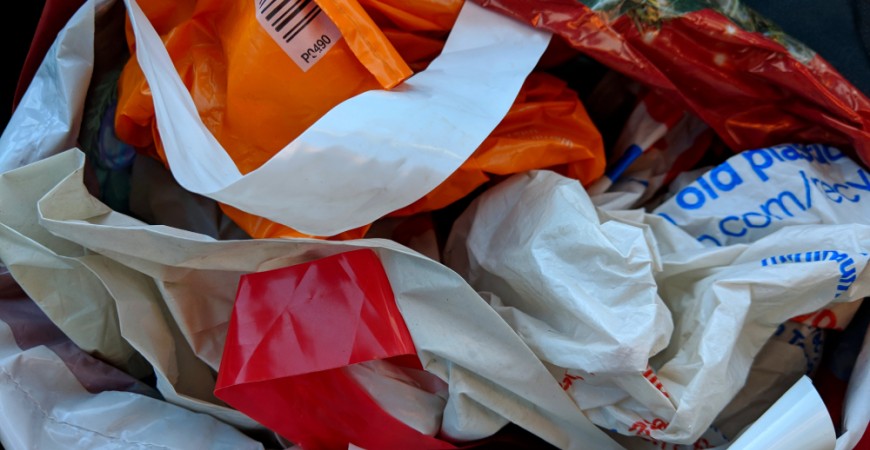
In an attempt to address the plastic pollution crisis, many companies and retailers such as Starbucks, Burger King, and Informa have chosen to offer bags made from alternative materials, including paper and cotton, instead of plastic bags that have been used for decades.
In some regions, such as Jakarta, new regulations even require companies to limit or replace plastic bags, with the stated aim of reducing plastic consumption.
However, an important question remains:
Do cotton bags actually offer greater sustainability than plastic bags when their entire life cycle is considered?
Or are Indonesian consumers being exposed to a false sense of sustainability and greenwashing, potentially driven by companies’ limited understanding of sustainability practices?
The widespread promotion of cotton bags as an alternative to plastic in Indonesia may come as a surprise to those unfamiliar with sustainability practices in the country. This shift may create an image of Indonesia as an environmentally responsible nation, committed to environmental protection and climate action.
Yet this assumption deserves critical examination.
It is widely acknowledged that Indonesia faces a serious plastic problem, characterized by excessive production and use of single-use plastics, combined with insufficient recycling and reuse systems.
While many businesses have transitioned from plastic to cotton bags, it is essential to question whether this change truly aligns with climate-friendly objectives.
A 2020 study by the Columbia Climate School examined the climate impacts of different shopping bag types—plastic, paper, and cotton—using a life cycle analysis (LCA) approach.
This method evaluates environmental impacts across all stages of a product’s life cycle, including energy consumption, greenhouse gas emissions, water usage, and pollution levels.
The study found that plastic bags made from HDPE or LDPE have a lower environmental impact during production compared to paper or reusable bags.
However, their most significant drawback lies in their contribution to litter and environmental pollution, particularly in countries with weak waste management systems.
In Indonesia, plastic pollution is especially visible in rivers, including the notorious Citarum River, where plastic waste—largely from single-use products—has become a dominant pollutant.
Indonesia’s beaches are also severely affected. Popular coastal areas such as Jimbaran, Kuta, Seminyak, and Canggu in Bali have experienced up to 100 tonnes of plastic and paper waste, piling up to one meter high along the shoreline.
Much of this pollution originates from marine debris carried from the densely populated island of Java.
An even more alarming issue is the rise of microplastics, which pose a growing threat to Indonesia’s food chain. As plastic waste breaks down, it forms microplastics that are ingested by marine organisms and eventually enter the human diet.
Microplastic traces have been found in fish caught by Indonesian fishermen.
Given that microplastics can carry toxins linked to cancer and other health risks, this issue underscores the urgency of addressing plastic pollution more effectively.
While paper bags are often perceived as an environmentally friendly alternative due to their biodegradability and renewable origins, they also present serious environmental concerns.
Paper production requires the cutting of trees, extensive use of toxic chemicals, and generates significant air and water pollution.
Additionally, paper bags are heavier, leading to increased fuel consumption and higher emissions during transportation.
Cotton bags, despite their positive public image, are often the least sustainable option.
Although cotton is renewable and biodegradable, cotton bags have the highest environmental footprint among plastic, paper, and cotton alternatives.
Cotton cultivation demands large amounts of water, land, chemical fertilizers, and pesticides.
Manufacturing processes such as spinning, weaving, and dyeing further consume significant energy and water resources.
Moreover, limited textile recycling infrastructure makes cotton bags difficult to dispose of sustainably.
These findings raise critical questions:
Why are cotton bags so widely promoted as an eco-friendly solution?
Has our concern over plastic pollution led us to overlook greenhouse gas emissions and scientific research?
Are companies engaging in greenwashing, unintentionally or otherwise, by encouraging consumers to believe they are making climate-friendly choices?
Or does sustainability remain an elusive and misunderstood concept, even for companies striving to build a more sustainable future?
Please sign in first.
Sign inCreate a free account to save favourite items.
Sign in